Nickel Acetate About
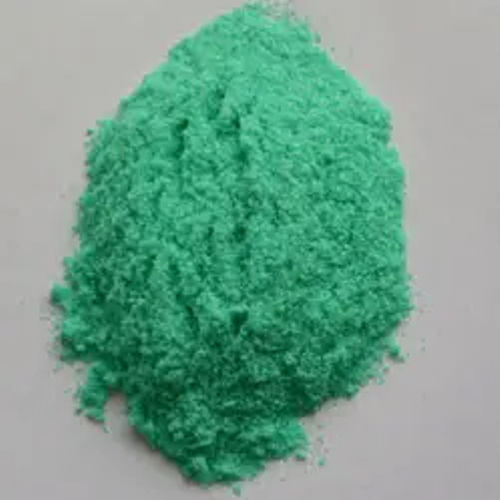
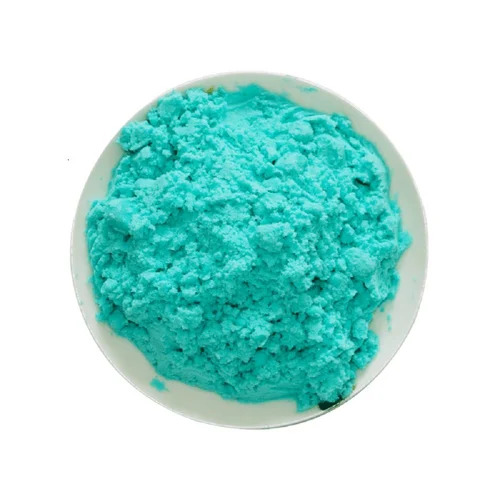
Nickel acetate is a green crystalline solid that is soluble in water and slightly soluble in alcohol. It is most commonly found as a tetrahydrate, which is the commercially available and stable form.Uses of Nickel Acetate in IndustryIndustryApplicationElectroplatingUsed as a sealant in anodized aluminum finishing; also used in nickel plating baths for corrosion protection.Catalyst ManufacturingPrecursor in producing nickel-based catalysts used in hydrogenation and petrochemical processes.Ceramics and PigmentsUsed in ceramic glazes and glass coloring, providing green coloration.Battery MaterialsUsed in research and precursor materials for nickel-based rechargeable batteries (e.g., NiMH or NiCd).Chemical SynthesisIntermediate in the preparation of other nickel compounds, particularly in lab and industrial synthesis.Textile & Dyeing Occasionally used as a mordant in textile dyeing (less common today due to toxicity).
Exceptional Purity and VersatilityWith its exceptional 100% purity, Nickel Acetate serves as an indispensable chemical in both industrial and laboratory arenas. Its excellent solubility in water makes it suitable for use in processes like nickel electroplating and as a catalyst in synthesis reactions. This compound provides flexibility and reliability, fulfilling stringent requirements for high-precision scientific and manufacturing applications.
Safe Handling and Proper StorageNickel Acetate should be handled with care due to its poisonous nature. Store the powder in airtight containers, away from moisture to prevent clumping and preserve its chemical integrity. Always use personal protective equipment and work within a well-ventilated space, following safety guidelines to mitigate accidental exposure.
FAQs of Nickel Acetate:
Q: How is Nickel Acetate typically used in industrial applications?
A: Nickel Acetate is primarily utilized in electroplating operations, where it imparts corrosion resistance and attractive finishes to metal surfaces. It also acts as a catalyst in chemical synthesis and in laboratory research for various analytical procedures.
Q: What is the recommended process for dissolving Nickel Acetate powder?
A: To dissolve Nickel Acetate, slowly add the powder to distilled water while stirring continuously. Ensure the solution is prepared in a well-ventilated area while wearing suitable protective gear due to its toxic nature.
Q: When should Nickel Acetate be used instead of other nickel salts?
A: Nickel Acetate is preferred when a highly pure, water-soluble nickel compound is required, particularly in applications such as nickel sealing during plating or in analytical procedures demanding precise outcomes.
Q: Where should Nickel Acetate be stored for optimal quality retention?
A: This powder must be stored in tightly sealed containers away from moisture, in a cool, dry, well-ventilated area to prevent degradation or unintentional reactions.
Q: What precautions should be taken due to its poisonous nature?
A: Always handle Nickel Acetate with gloves, safety goggles, and a lab coat. Avoid inhalation and direct skin contact, and ensure any spills are cleaned up promptly using appropriate materials to limit risk.
Q: What are the benefits of choosing industrial-grade Nickel Acetate?
A: Industrial-grade Nickel Acetate offers high purity and consistency, which guarantees reliable and repeatable results in large-scale or sensitive laboratory operations. Its quality makes it optimal for professional applications where contamination must be minimized.






 Send Inquiry


 Send Inquiry